Industry Leading Shelf Life Testing
Understanding the quality of your product over time is critical. Our shelf life study protocols are designed to ensure you get the most accurate representation of your products stability, providing powerful data and consumer insight.
Our Approach To Shelf Life Testing
We collaborate to customize each test protocol to suit your specific product, distribution area, and desired outcomes.
The analytical testing is conducted in our acclaimed ISO accredited lab with validated AOAC methods.
We match you with a dedicated customer success manager and stability scientist to ensure your testing goals are achieved.
Identify quality challenges throughout the lifecycle of your product
Our studies identify modes of failure like temperature based reactions and moisture loss over time; information critical to extending the shelf life of your product.
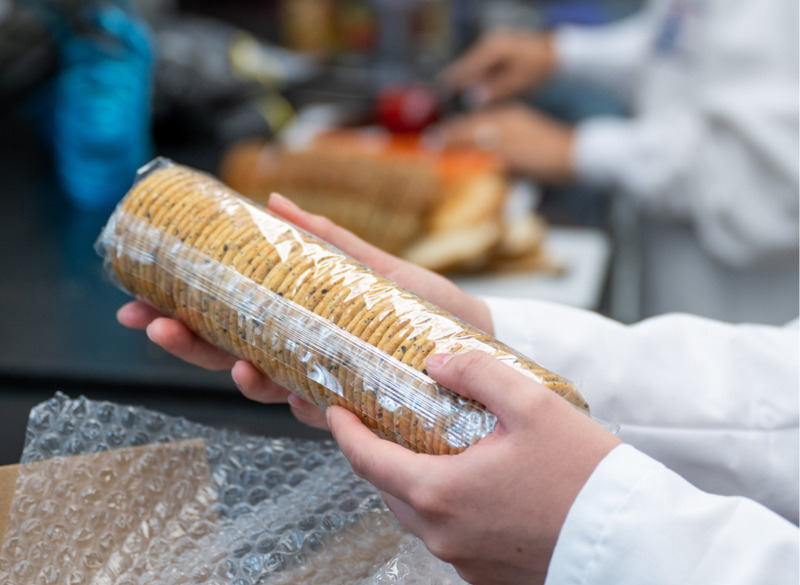
Our state-of-the-art technology allows us to simulate how your product responds to climate and shipping disturbances en route to its final destination.

Our simulation capabilities enable data modeling to understand how different packaging performs in various climate and distribution scenarios.

Our highly trained human sensory panel evaluates and analyzes the sensory attributes of your product throughout the study, providing powerful consumer insights.

Shelf life capabilities to meet your business needs
We have 30+ stability chambers that simulate the temperature and humidity from climates across the globe. Accelerated conditions track rancidity and degradation as well as flavor changes and our cycling weather room tracks how moisture affects your product and any texture changes that may come with it.

Through our abuse, light and transport studies, we can determine the effect that various conditions will have on your product.
Examples include:
We replicate real-world shipping conditions to see how temperature fluctuations and handling impact your product’s integrity. Our transit abuse simulations measure surface changes, and overall appearance so you know exactly how your product will hold up during distribution.
From hot, humid climates to cold, dry environments, warehouse storage varies dramatically across regions. We evaluate how these different conditions affect product stability, ensuring your food maintains quality and safety no matter where it is stored.
The shaker table test replicates vibrations a product endures in distribution. It compresses weeks of vibration into hours of high-frequency shaking. Combined with varying temperatures, it shows how abuse and vibration affect appearance and consumer experience. For example, it can reveal if chocolate smears in packaging. This guides decisions on temperature-controlled shipping or limits.
We simulate grocery store lighting to test how color, texture, and overall appearance shift under prolonged exposure. This ensures your product maintains its shelf appeal and does not degrade in ways that might deter consumers.

Our modeling tools can determine what packaging is best to use for your product in various climates across the globe. Moisture data obtained from testing will show how much is gained or lost over the course of a product's shelf life. Using this data, we can simulate how your product will hold up in every major city in the world. Moisture changes typically impact product texture, shelf life, and the risk for microbial growth. This modeling is a cost-effective way to make decisions about shipping, storing, and selling your product.
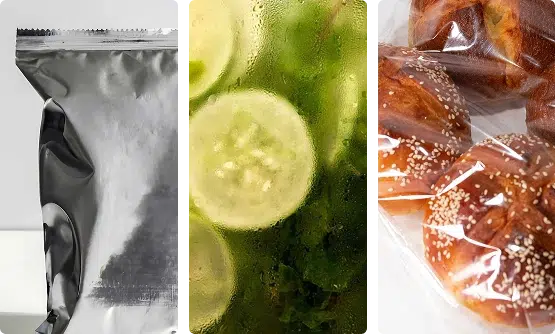
Utilize the team’s extensive product experience to determine appropriate accelerated shelf life testing conditions and protocols. Accelerated testing is useful in tracking temperature based reactions such as rancidity and color, flavor, and vitamin loss. Texture changes are better tracked in other conditions. However, the speed with which this condition can get results allows for business decisions to be made sooner than waiting for ambient testing to complete.
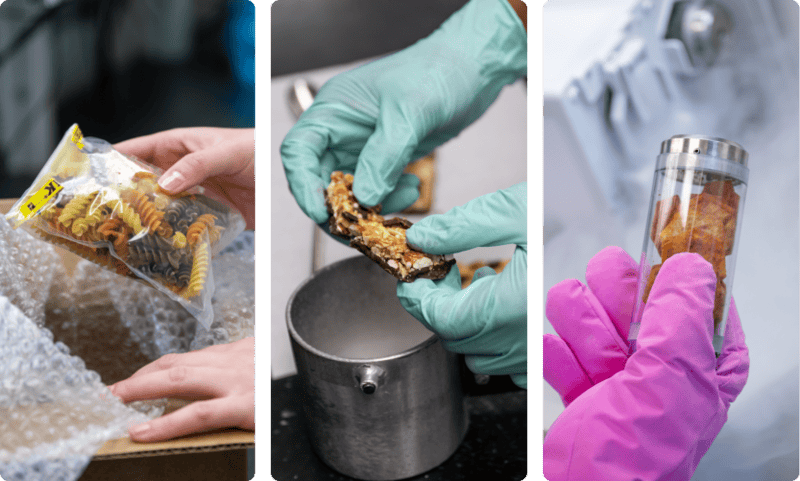
Evaluate and analyze the sensory attributes of food products through the collective judgment of highly trained individuals. Ultimately, for food products, what matters most is how the consumer experiences the product. Things like taste, appearance and texture can determine if a customer buys the product again and has a good experience. It is important to have a scientific way to measure how much a product changes over time related to consumer experiences.
Let's find a solution together, share your scenario with us!
- Your product specifications and testing goals
- Current stability challenges
- Our scientist's recommendations to help you
achieve your goals - How we plan to test your product

A customer success manager will reach out to discuss your food testing needs.
"*" indicates required fields
Frequently asked questions
Anywhere from 4-24 months. It depends on your product and target shelf life.
With existing understanding of precise acceleration rates for your specific product, accelerated only testing is possible. Without that historical data, it is strongly recommended to run accelerated and non-accelerated testing in parallel to determine that rate.
This can vary greatly depending on the length, product, and testing. A good starting range is $3k-7k.
We can run micro tests at time points in the study, but do not currently run challenge studies which is required to determine micro limited shelf life.
Our group of trained panelists compare the aged product to the control sample and evaluate it for flavor, odor, texture, and appearance changes.